The Lock: finding feelings you shut away
Five cards for a specific state: you stopped feeling something and cannot remember when it started. Name the theme, then draw.
Pick 5 cards from the deck
What this spread does
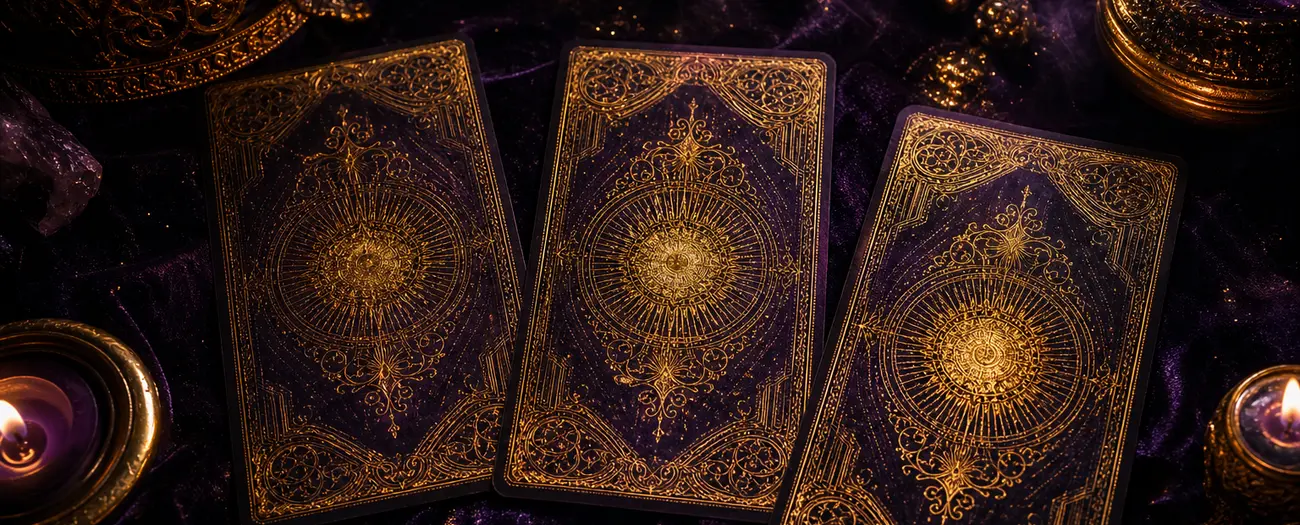
The Lock is a five-card layout from a workshop on emotional wounds, and it is built for one particular state: you have stopped feeling something and cannot remember when that started. You do not get angry any more. You do not cry at things that used to move you. Good news arrives muted, as though it were happening to a neighbor. The five cards name what got shut away, why the door stays closed and what works as a key.
The reader who teaches it adds a caveat worth keeping: a lock can also be a wall, and a wall can be doing its job. So the real question underneath the spread is what you are protecting and whether you want to open it a little, today, on purpose.
The five positions
- How you feel right now. The background you are looking at the subject from. Four of Cups is flatness and “nothing appeals”; the Star means there is fuel in the tank for this.
- Which feelings are locked away. What is behind the door: anger (Five of Wands), grief (Five of Cups), tenderness (Two of Cups), fear (Nine of Swords).
- Why you avoid those feelings. Usually a person or a scene from before. The Tower is a break sharp enough that you decided never again; the Hierophant is a house rule, the kind nobody ever said out loud.
- How ready you are to work with this. An honest answer, and it is allowed to be no. Strength means yes, gently, on your own. The Hanged Man means not yet, and that is information, not failure.
- What will open the lock. The key: a conversation (Ace of Swords), the body and movement (Eight of Wands), another person nearby (Three of Cups), work with a professional (the Hierophant).
How to read it
Join cards two and three first: what is shut, and what shut it. That pair is the spread; the rest is context and instructions. Then read card four literally. If it is heavy, do not push yourself, and let the reading suggest the smallest available step. Card five is homework for the next few weeks. Card one sits behind all of it and explains why the subject looks the way it does today rather than last year.
Name one theme before you draw. “My mother”. “The break-up last spring”. “Why I cannot say I am hurt”. A spread laid on everything at once answers about everything at once, which is another way of saying it answers nothing.
An example
Theme: why I cannot tell my partner when I am hurt. Cards: Four of Cups, Five of Wands, the Hierophant, Strength, Ace of Swords. The story: on a background of tiredness with the relationship (1) the locked feeling is anger (2), because arguing was against house rules and you learned early to keep your voice down (3); readiness is high and you can do this carefully (4); and the key is plain speech, one clear sentence said at the time instead of silence and a week of distance (5).
What usually goes wrong
A heavy card in the fourth position gets read as “I am not allowed”. The Hanged Man or the Hermit there means wait, and waiting is a legitimate answer that saves people a lot of damage.
The bigger mistake is mistaking the map for the walk. Seeing what is locked and opening it are separate pieces of work, and the second one takes time. If the state is heavy, do this alongside a professional. The next spread on the same theme is Lessons and gifts, which looks at what is behind the door. Card meanings are in the dictionary. This is entertainment and not psychological help.
Frequently asked questions
What does “locked feelings” actually mean?
A feeling that used to be available and is not any more: anger you no longer feel, tears that no longer come, warmth that arrives dimmed. It usually got shut away for a good reason at the time, and the reason has outlived its use.
Is this spread a substitute for therapy?
No. It is a way of naming what you are avoiding and what might help, in plain words. If the subject is heavy, the honest use of this spread is to bring the result to someone qualified rather than to work it alone.
What if the readiness card comes out heavy?
Then the answer is not yet, and it is worth taking at face value. Read the fifth card as the small preparatory step instead of the big one, and come back to the spread in a month.
Can I lay the Lock for someone else?
You can, but it reads your view of them rather than their inner state, which makes it useful for the relationship and unreliable for the person. If you want to help someone, the more useful spread is the one you lay about yourself in that relationship.
Other spreads
Three-card spread
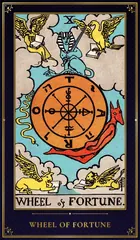
Past, present and future of one situation. The layout to start with.
AI reading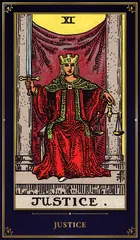
Yes or No
One card, one answer, and the condition attached to it.
instant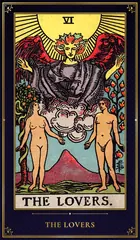
Love spread
You, the other person and what is actually between you.
AI reading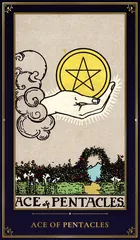
Money spread
What jams the money, what helps, where it goes from here.
AI reading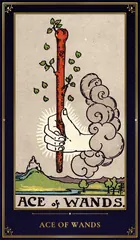
Career spread
Where you stand, what holds you back, what to do next.
AI reading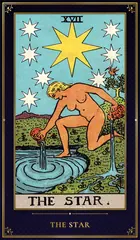
Lessons and gifts
One hard experience from both ends: the cost and what grew from it.
AI reading · 6 cards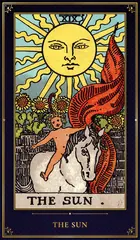
Card of the day
One card in the morning: the focus and the tone of the next 24 hours.
every dayThe bot asks what you want to know, pulls the cards and writes a longer reading for your situation.
Open @Casiocas_bot →