Three-card tarot spread
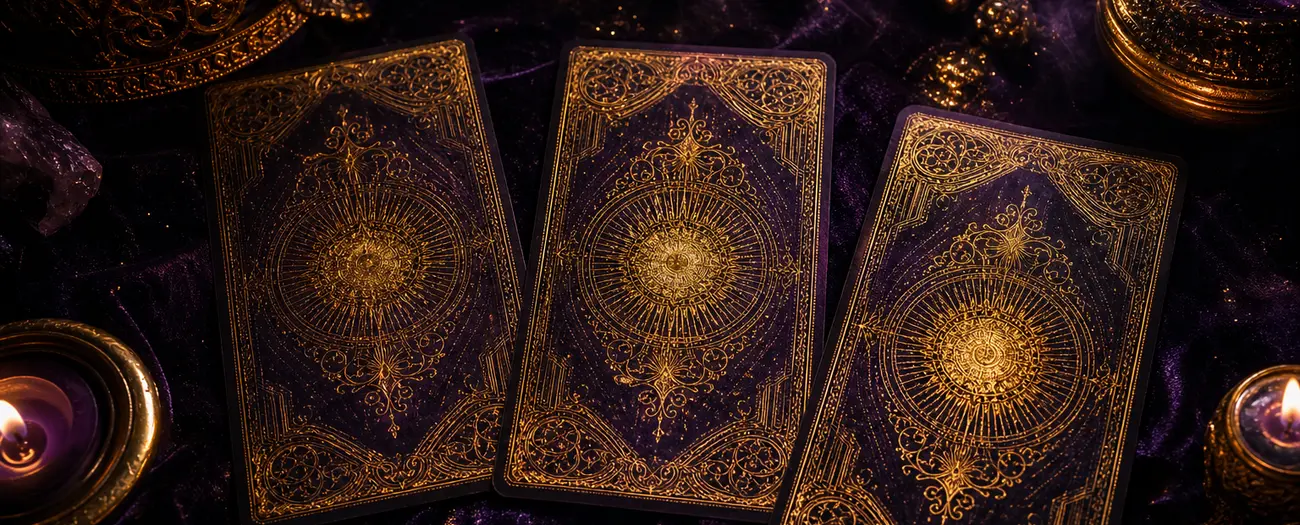
The classic layout: past, present, future. Hold one situation in mind, add a question if you have one, and pull three cards from the deck.
Pick 3 cards from the deck
What this spread does
Three cards is the layout most readers start with and the one most of them keep. It takes a situation you are already living in and shows its shape over time: where it came from, what it is now, and where it drifts if nobody changes course. Three cards are enough to see a story and few enough that the story stays readable.
It answers how is this going rather than what should I do with my life. Pick one thread before you draw: the job you keep thinking of leaving, the person who has gone quiet, the move you postpone every spring. One thread, three cards.
The three positions
- Past. The root of the situation. Usually a decision you made months ago, or something someone else did that you are still living inside. It explains the setup, not your childhood.
- Present. What you are in right now, before you soften it for a friend. This card is the one that tells you why the situation feels the way it feels.
- Future. The direction of travel at current settings. Change what you do and this card changes with you.
How to read it
Read left to right like a sentence, and look at the joins between the cards. The Tower in the past next to the Star in the present is a story about a crash that is already healing. The Star in the past next to the Tower in the present is the opposite story told with the same two cards. Court cards (Page, Knight, Queen, King) usually point at a person, or at the role you are playing yourself.
If you type a question, the reading is built around it. Keep it to one sentence and aim it at a situation rather than at a date: “how will this project end” works, “will he text me on Friday” does not.
An example
Question: should I stay in this job? Cards: Eight of Pentacles, Four of Cups, Three of Wands. The story reads: you learned the craft properly and it took years (1); the work is fine now and you are bored with it, which is the Four of Cups almost word for word (2); and there is an opening on the horizon you have not taken seriously yet (3). Nothing there says quit on Monday. It says the boredom is real and the next move is already in view.
What usually goes wrong
The most common mistake is drawing twice on the same question in one day. The first spread was the answer; the second is you arguing with it. If the answer is murky, add one clarifying card and stop there.
The second is reading the third card as a verdict. Death in the future position means one specific thing ending, most often a job, a habit or a version of a relationship, and endings can be scheduled instead of suffered. Every card page has an as advice block for exactly this reason.
Full meanings of all 78 cards are in the tarot card dictionary, upright and reversed. The same 22 Major Arcana also show up in the Destiny Matrix as numbers from your birth date, where they are read as character and task rather than as events.
Frequently asked questions
How accurate is a three card tarot reading?
It is precise about the present and honest about the direction. The cards describe a tendency at the current state of things, and the future position assumes you keep doing what you are doing. Treat it as a forecast you are allowed to change.
Can I ask the same question twice?
Not on the same day. Nothing has moved in six hours. If the spread is unclear, pull one clarifying card; if the situation itself changes, draw again then.
Do I have to type a question?
No. Without one the spread reads the general background of your situation, which is useful when you cannot name what is bothering you. With a question the reading gets narrower and more practical.
What does it mean if all three cards are Major Arcana?
That the situation is bigger than a week: a turning point, not an errand. It is not bad news in itself. It means the outcome hangs on decisions, and the details follow.
Other spreads
Yes or No
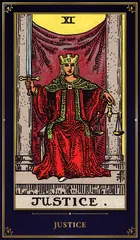
One card, one answer, and the condition attached to it.
instant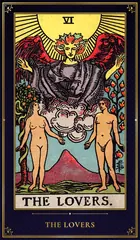
Love spread
You, the other person and what is actually between you.
AI reading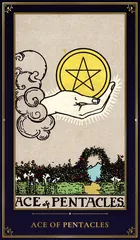
Money spread
What jams the money, what helps, where it goes from here.
AI reading
Career spread
Where you stand, what holds you back, what to do next.
AI reading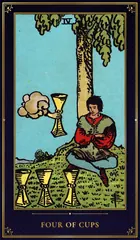
The Lock
Which feelings got shut away, why the door stays closed, what opens it.
AI reading · 5 cards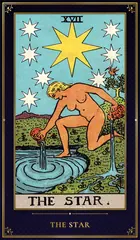
Lessons and gifts
One hard experience from both ends: the cost and what grew from it.
AI reading · 6 cards
Card of the day
One card in the morning: the focus and the tone of the next 24 hours.
every dayThe bot asks what you want to know, pulls the cards and writes a longer reading for your situation.
Open @Casiocas_bot →