Tarot spreads online
Pick the layout that matches your question, draw from the 78-card deck and read what the cards say together. Free, no sign-up.
Pick your tarot spread
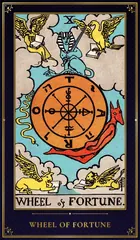
Three-card spread
Past, present and future of one situation. The layout to start with.
AI reading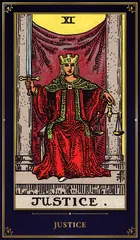
Yes or No
One card, one answer, and the condition attached to it.
instant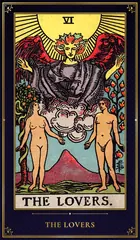
Love spread
You, the other person and what is actually between you.
AI reading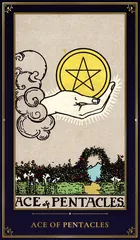
Money spread
What jams the money, what helps, where it goes from here.
AI reading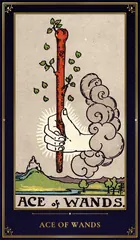
Career spread
Where you stand, what holds you back, what to do next.
AI reading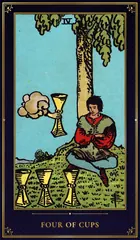
The Lock
Which feelings got shut away, why the door stays closed, what opens it.
AI reading · 5 cards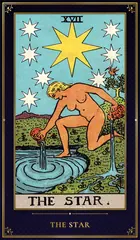
Lessons and gifts
One hard experience from both ends: the cost and what grew from it.
AI reading · 6 cards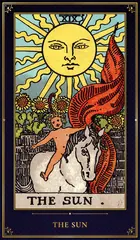
Card of the day
One card in the morning: the focus and the tone of the next 24 hours.
every dayThe bot asks what you want to know, pulls the cards and writes a longer reading for your situation.
Open @Casiocas_bot →
How to pick a spread
A spread is a set of positions, and the positions are what turn separate cards into an answer. The same card means one thing in “what blocks this” and another in “what helps”, which is why choosing the layout matters more than shuffling well.
Use Yes or No when the question genuinely has two answers and you want one line back. Use Three cards for anything with a history and a direction. Love, Money and Career are the same three-card shape aimed at one area, with positions written for it. The Lock and Lessons and gifts are longer layouts from a workshop on emotional wounds, and they ask for a quiet hour rather than a coffee break.
How to phrase the question
One sentence, up to 200 characters, about a situation rather than a date. “Why has this project stalled” gets a usable answer. “When will I meet someone” gets a vague one, because the cards describe conditions and you asked for a calendar.
You can also draw without typing anything. Then the reading describes the background of the situation, which is the right move when you cannot yet name what is wrong. Questions are not saved anywhere and are used only to write your reading.
How the reading works
You pull the cards yourself from a shuffled deck of 78. Once the last position is filled, the layout, the cards and your question go to our AI reader, which writes one connected text: how the cards fit together, where the tension sits, what to actually do, and a short list of steps at the end. It is not a pre-written paragraph per card, which is what most free tarot sites hand you and the reason those readings never quite fit.
Free readings are limited to three per visitor per day, which keeps the service running for everyone. Spreads without a typed question may return a saved reading for the same combination of cards. Readings describe tendencies and are for entertainment; they are not medical, legal or financial advice.
Frequently asked questions
Are these tarot spreads really free?
Yes: no account, no card details, no email. There is a cap of three AI readings per visitor per day so the service stays available. Card meanings and the card of the day have no cap at all.
Which spread should a beginner start with?
Three cards. It is the shortest layout that still tells a story, and it teaches the habit that matters most: reading the cards in relation to each other instead of one at a time.
Can I choose only the Major Arcana?
Yes, there is a switch above the deck on every spread. Twenty-two cards give broader, more dramatic answers; the full 78 give the everyday detail. Yes or No always uses the 22.
Do you save my question or my cards?
The question is used to write the reading and is not stored against you; there is no account to store it in. The card of the day is kept in your own browser so the deck does not give you a second one before midnight.
Meanings of all 78 cards — upright and reversed, love, work, money and event markers → open the card dictionary